Skip to content
Published by AgentSiam, Chiang Mai

Journal of Chiang Mai

Written for people deciding whether to come to Chiang Mai, and when. Published by AgentSiam, who manage houses here and answer the questions guests actually ask before they book.

Published in English, Thai and ChineseEvery figure dated and sourcedGet new issues by email →
Latest
Weather and air quality8 min read

When to come to Chiang Mai, and the weeks to think twice about

Most guides to Chiang Mai bury the air quality in a paragraph near the bottom. It belongs at the top, because for two months of the year it is the single thing most likely to spoil a trip, and because it is the one part of the decision a booking site has no reason to tell you about.

Read in fullAgentSiam, Chiang Mai
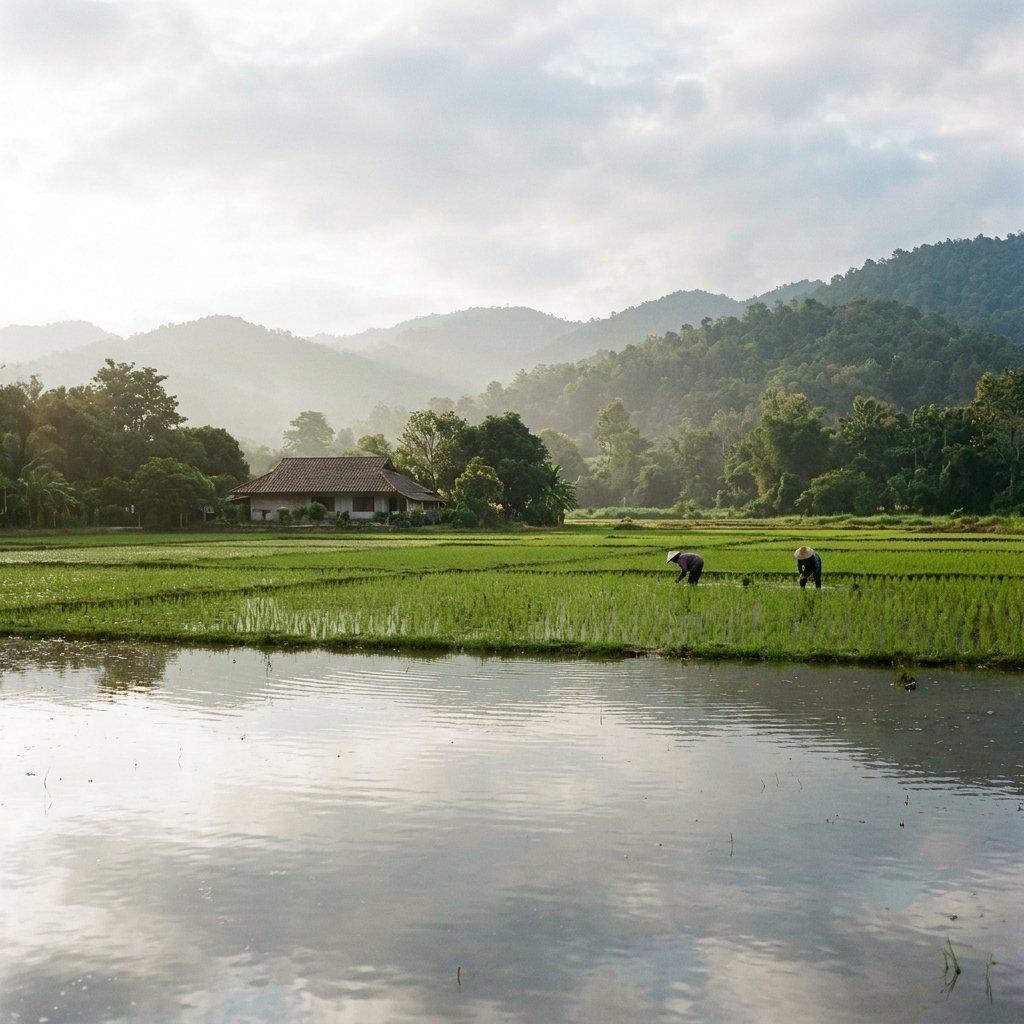
Flooded rice paddy and forested hills in morning haze, Mae Rim, north of Chiang Mai

What this issue answers

  1. The best monthsNovember to January. Dry, cool, clear, and the stretch of the year the city is at its most comfortable. It is also the busiest, so accommodation is tighter and dearer.
  2. The months to think twice aboutLate February through March, and often into early April. This is burning season, when smoke from agricultural and forest fires settles over the valley. March is usually the worst of it.
  3. How bad does it actually getIn March 2026 Chiang Mai repeatedly ranked first in IQAir's live ranking of major cities by air pollution. IQAir recorded an Air Quality Index of 233 on 30 March and a reading of 263 on 29 March, with PM2.5 at 188 micrograms per cubic metre.
  4. If March is your only windowA March trip can still work, but plan around the air: check the AQI daily, choose a well-sealed room with an appropriately sized air purifier, and build indoor options into the itinerary. If the AQI reaches very unhealthy levels, follow public-health guidance and be ready to change plans.

How this is written

  • Figures carry their date

    Every number is read off its source and the page says when it was checked. A figure without a date is a claim rather than a measurement.

  • Written where the houses are

    By the people who manage property in Chiang Mai and answer the questions guests and owners actually ask, rather than by a content desk somewhere else.

  • The limits are on the page

    Each piece closes by naming what it cannot settle, and lists its sources so the working can be checked.